
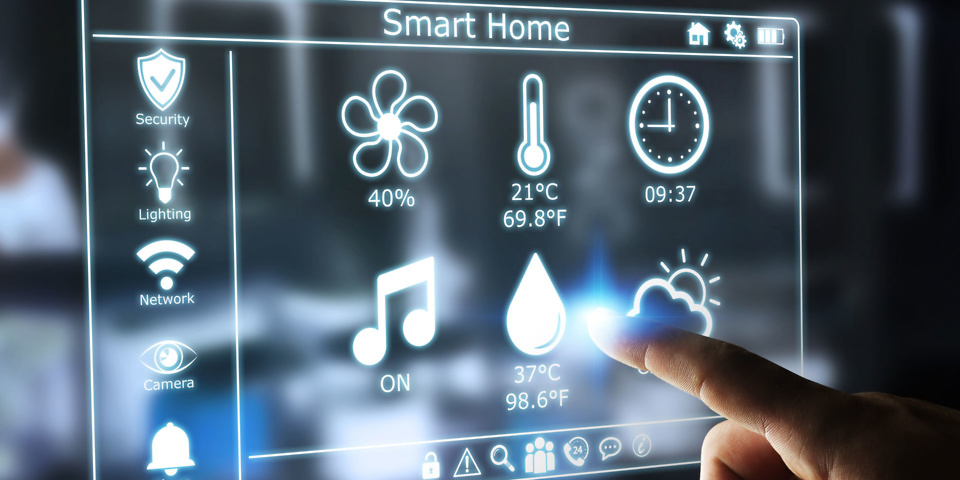
Because smart technology has become so common, it seems that there isn’t a part of home life that it hasn’t touched. And it’s getting a little weird.
The late nineties brought the first smart home technology devices into the market. In the early 2000s, smart technology started to hit the shelves. Increasingly more affordable for the customer, early gadgets focused on home automation. Everyone began talking about the Internet of Things (IoT) when it came to smart homes, and IoT and connectivity became increasingly important to consumers. With the prevalence of smartphones, the convenience of controlling everything from an app created a huge demand. Nest entered the market in 2010 with the first WiFi thermostat. Everything from toasters to coffee machines to beds can be controlled through mobile apps now. Leak sensors can tell you that a pipe is leaking, and your app can shut off the water valve. Your bed can do so much now—it can tell you how you slept and adjust the firmness of your mattress to get you better rest at night.
Because smart technology has become so common, it seems that there isn’t a part of home life that it hasn’t touched. And it’s getting a little weird. From smart egg holders that send your phone a message when you’re almost out of eggs, to forks that vibrate when you eat too fast and robots that allow you to talk to and feed your pet while you are at work, smart technology is admittedly getting a little unruly. But there is also tech out there improving (and saving) lives.
Our homes, these havens we create, should be the pinnacle of comfort and convenience—if, of course, the price is right. And as our tech gets smarter, we get the opportunity to decide for ourselves how connected we want to be. All the conveniences of the modern world could be ours at the touch of a button.
 CL Security Systems